California Native Pollinator License Plate
California, USA, by California Pollinator Collaborative
The California Pollinator Collaborative is working to create a specialty California license plate for native pollinators, featuring the monarch butterfly. Plate sales would fund habitat restoration, research and education, with a goal of $2 to 5 million a year.
Project Objective
Implementation of a specialty California License Plate dedicated to native pollinators such that funds raised support the restoration of California native habitat and other efforts related to the recovery of native pollinator populations.
Plan A: California Department of Fish and Wildlife Sponsor with New Nonprofit Administrator
Executive Summary
The California Pollinator License Plate program will generate sustainable funding for native pollinator conservation across California through specialty license plate sales. With the California Department of Fish and Wildlife (CDFW) as sponsor and a newly created California Native Pollinator Conservation Foundation as administrator, this program aims to raise $2-5 million annually to support habitat restoration, research, and education initiatives critical to protecting native bees, native butterflies, hummingbirds, and other native pollinators.
Program Overview
Sponsor: California Department of Fish and Wildlife (CDFW)
Administrator: California Native Pollinator Conservation Foundation (new nonprofit to be established)
Target Launch Date: January 2027 (allowing 18-24 months for legislation, nonprofit formation, and pre-orders)
Minimum Pre-Orders Required: 7,500 (per California Vehicle Code requirements)
Design Concept
Monarch butterfly as primary image (California's state insect since 1972)
Native wildflowers (California poppies, lupines)
Possible inclusion of native bees or hummingbirds
Vibrant, colorful design to stand out on vehicles
"Protect Our Native Pollinators" tagline
Program Funding Priorities
Habitat Restoration and Creation (40-45%): Native pollinator gardens in urban areas; native plant restoration projects; hedgerow establishment on agricultural lands; public land native pollinator habitat enhancement; partnership with parks, schools, community organizations
Research and Monitoring (25-30%): Native pollinator population and pollinator population surveys; native bee research; monarch butterfly migration studies; pesticide impact studies; climate change adaptation research; university partnerships and graduate student support
Education and Outreach (20-25%): School native pollinator education programs; native plant gardening workshops; beekeeper education on native pollinators; public awareness campaigns; interpretive signage at parks and preserves; educational materials and resources
Grants Program (5-10%): Community-based conservation projects; non-profit organization support; local government initiatives; citizen science programs
Timeline
State Agency agreement: Spring 2026
Nonprofit formation: Concurrent with state agency agreement
DMV agreement: end of 2026
Pre-order period: 12 months (2027)
DMV implementation: 9-12 months post pre-order period
First plates issued: Early 2029
Five-Year Goals
50,000+ active plates
$2 million+ annual program funding
5,000+ acres of pollinator habitat restored or created
20+ major research projects funded
100,000+ students reached through education programs
Recognized as leading pollinator conservation funding source in California
Key Partners (proposed)
UC Berkeley/UC Davis (research institutions)
California Native Plant Society
California Native Bee Society
Xerces Society for Invertebrate Conservation
California Association of Resource Conservation Districts
California Farm Bureau Federation
Local land trusts and conservation organizations
Regional parks and open space districts
Plan B: California State Parks Sponsor with State Parks Foundation Administrator
Executive Summary
The California Native Pollinator License Plate program will be sponsored by California State Parks with the California State Parks Foundation as administrator, leveraging an established nonprofit infrastructure to fund pollinator conservation on state parklands and beyond. This model offers immediate operational capacity and existing stakeholder relationships to accelerate program launch and impact.
Five-Year Goals
60,000+ active plates
$2.5 million+ annual program funding
Native pollinator habitat projects at 100+ state parks
15+ research partnerships with universities
200,000+ visitors engaged in native pollinator education annually
Model program replicated in other states
Recognized as premier source of native pollinator conservation funding
Recommendation and Conclusion
Both models offer viable paths to establishing a successful California Native Pollinator License Plate program. The choice between them depends on strategic priorities. A hybrid is also considered: both agencies could co-sponsor with State Parks Foundation as administrators, allowing projects both within and beyond state parks while leveraging Foundation infrastructure.
Regardless of model chosen, a California Native Pollinator License Plate has strong potential to generate $2-4 million annually for critical conservation work while raising public awareness of native pollinator importance and decline.
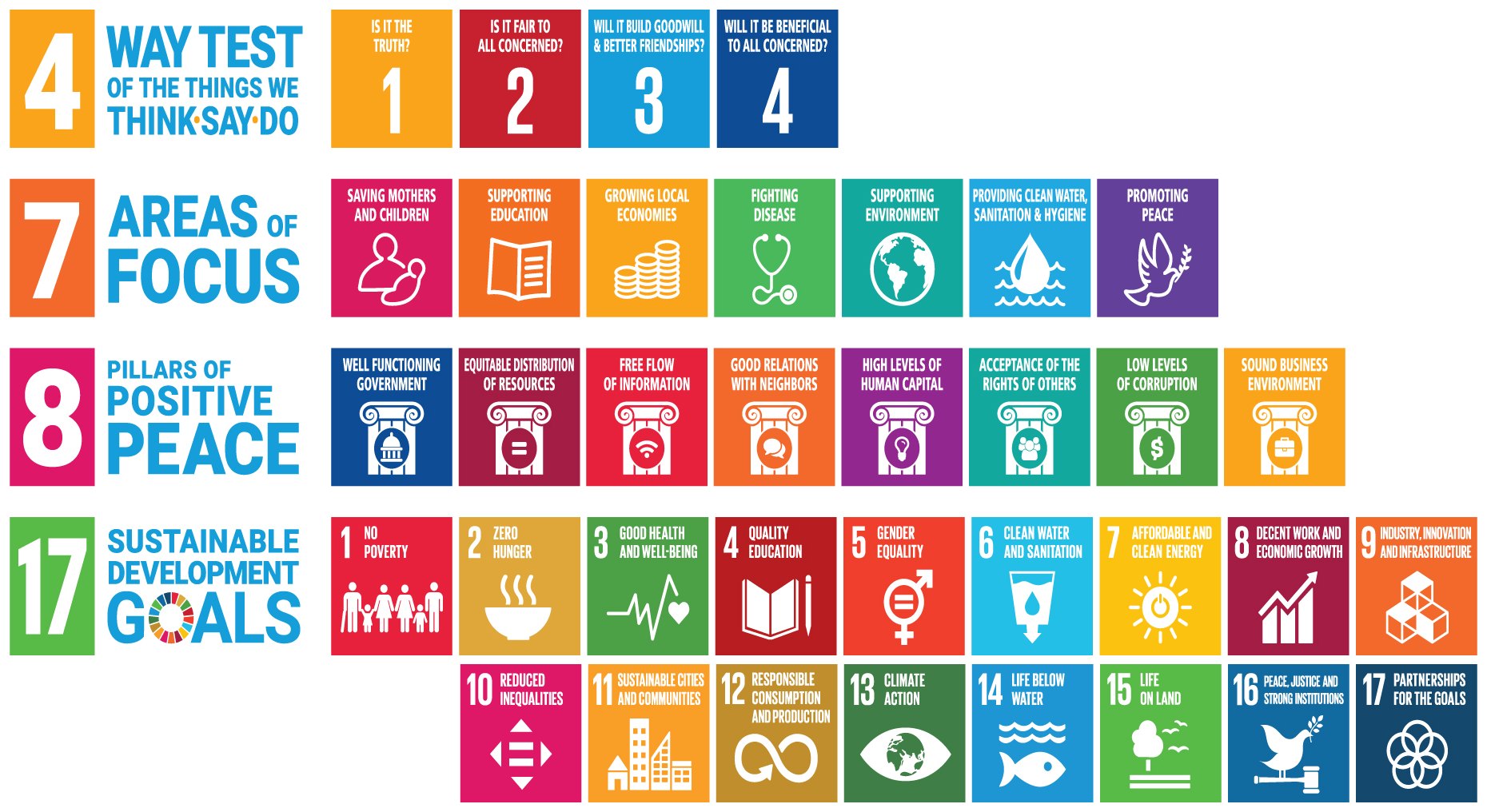
4-7-8-17 Report Card: California Native Pollinator License Plate, California, USA
- Four-Way Test passed
- 4 of 4
- Areas of Focus
- 2 of 7
- Pillars of Positive Peace
- 3 of 8
- UN SDGs
- 4 of 17
Four-Way Test
- Pass Is it the truth? A detailed, sourced plan; its results are projected, not yet achieved.
- Pass Is it fair to all concerned? Voluntary for drivers, and funds flow to public lands, schools and community grants statewide.
- Pass Will it build goodwill and better friendships? Unites state agencies, universities, farmers and conservation groups around pollinators.
- Pass Will it be beneficial to all concerned? Healthier pollinators help farms, gardens, wild lands and everyone who eats.
Rotary Areas of Focus
- Supporting Environment: Would fund native habitat restoration and research for bees, butterflies and hummingbirds.
- Supporting Education: Would fund school pollinator programs and native plant gardening workshops.
Pillars of Positive Peace
- Well-Functioning Government: Creates lasting public funding through a state agency and the DMV plate program.
- High Levels of Human Capital: Supports research, graduate students and education reaching 100,000+ students.
- Free Flow of Information: Public awareness campaigns and citizen science share what is learned.
UN Sustainable Development Goals
- SDG 15 Life on Land: Restores native habitat and protects declining pollinator species.
- SDG 2 Zero Hunger: Pollinators are essential to the crops that feed people.
- SDG 4 Quality Education: School and community education on native pollinators.
- SDG 17 Partnerships for the Goals: Brings state agencies, universities and nonprofits together.
Easy upgrades
- Put pollinator gardens in underserved neighborhoods to add Equitable Distribution of Resources and SDG 11.
- Publish yearly grant reports to add Low Levels of Corruption.
- Pay farmers to plant hedgerows to add Growing Local Economies.
Rated with the 4-7-8-17 framework, and reviewed by the 100 Projects in 100 Countries team.
Is your club or community running a project like this? Share it and get your own 4-7-8-17 Report Card.
Submit your project